A few years ago, I decided to learn how to play the guitar. Excited about my new hobby, I ordered my first instrument online and couldn’t wait for it to arrive.
After a long and stressful day at the office, I finally got home. I hadn’t even put my bag down when a text message appeared on my phone that my package had shipped and that I could track it by clicking the link.
I was so excited that I started clicking without thinking. I didn’t check the sender, I didn’t question the message, I simply wanted to see where my guitar was.
There was, of course, no tracking information. Instead, within just a few clicks, someone had gained access to my bank card details and withdrawn several hundred dollars from my account.
I was incredibly angry with myself. But more than that, I felt embarrassed. Not long before, I had been explaining to my grandmother how to recognize online scams. Yet somehow, I had fallen for one myself.
Fortunately, I reacted quickly, contacted my bank immediately, and eventually recovered the money.
Looking back, it’s easy to say I should have been more careful. But in that moment, I reacted exactly the way the scammers expected me to. A single well-timed message was enough to override my critical thinking. I was tired, emotionally invested, and looking forward to my delivery. The scammers understood that better than I did.
Since then, I’ve become even more convinced that good design should never take advantage of people’s vulnerable moments.
What Is Ethical Design?
To me, ethical design means creating digital experiences that help people make informed decisions instead of manipulating them into making quick ones.
Every business wants to sell its products or services, and there’s nothing wrong with that. If you genuinely offer value, it’s perfectly natural to present it in the best possible way.
The real question is how you encourage people to act.
Good design communicates clearly. It is honest, transparent, and respects the user’s ability to choose. Manipulative design, on the other hand, relies on psychological pressure and misleading interactions to influence decisions.
When Design Crosses the Line
You’ve probably seen messages like these:
- “Only 2 minutes left!”
- “18 people are viewing this product right now.”
- “Only 1 item left in stock.”
If these statements are true, there’s absolutely nothing wrong with displaying them.
The problem begins when they’re not.
These techniques are commonly known as deceptive patterns (previously called dark patterns), a term introduced by UX specialist Harry Brignull. They are interface designs created to steer users toward decisions they might not otherwise make. You can explore real-world examples and research about deceptive interfaces on Deceptive Design, a resource dedicated to documenting manipulative user experience patterns.
Some common examples include:
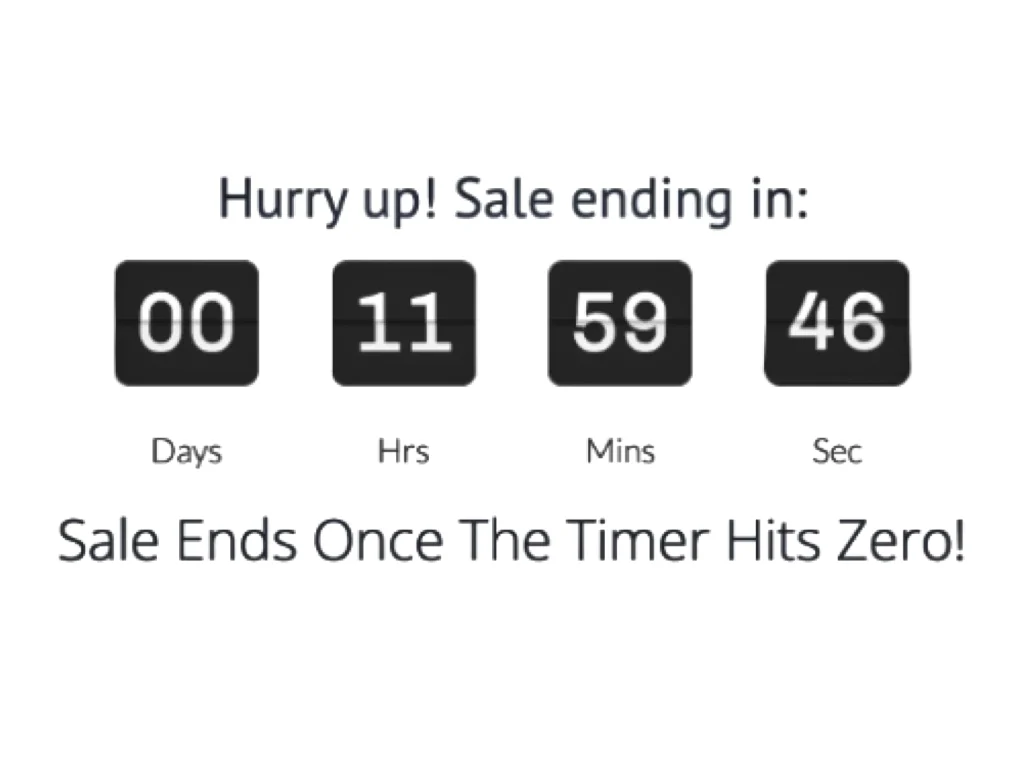
- Fake countdown timers.
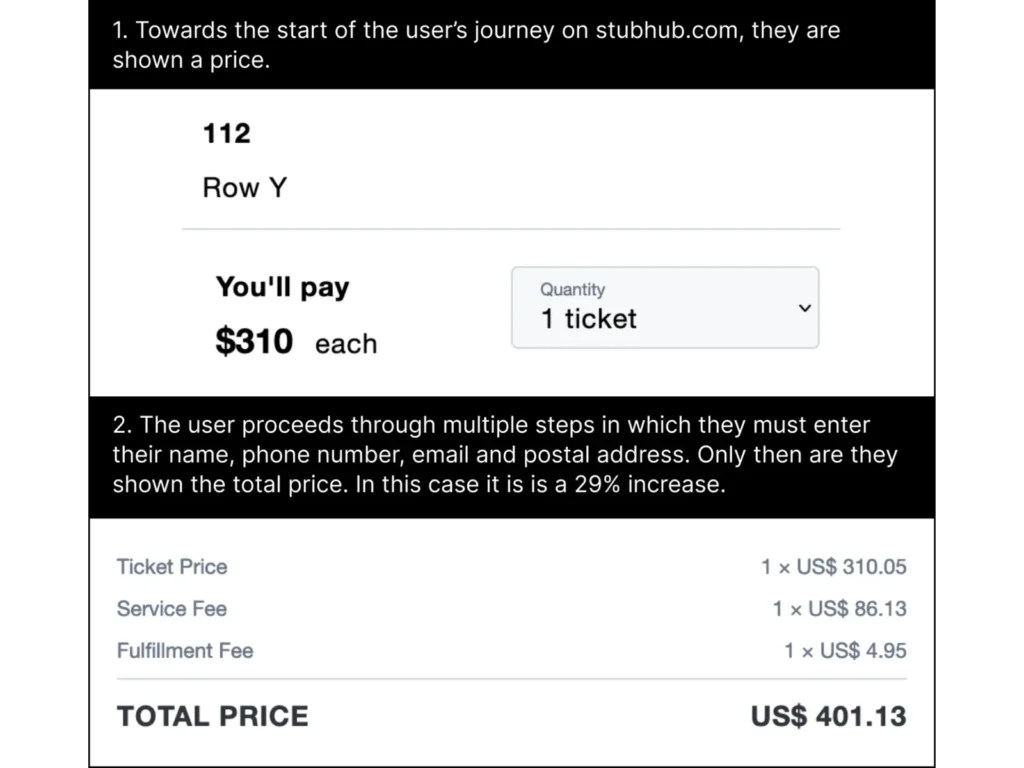
- Hidden fees revealed only at checkout.
- Subscription processes that are easy to start but difficult to cancel.
- Guilt-inducing buttons such as “No thanks, I’d rather miss out.”
These tactics may increase conversions in the short term.
But they slowly erode trust.
Can You Encourage Sales Ethically?
Absolutely.
Ethical design doesn’t mean avoiding sales techniques altogether. If there are genuinely only three products left in stock, tell your customers. If a promotion really ends at midnight, communicate that clearly. Honest information helps people make decisions.
Manipulation pressures them into making one.
Why This Matters to Me
When I design a website, I don’t only think about increasing clicks or conversions.
I also think about how people feel while using it.
- Can they find what they’re looking for?
- Do they understand what’s happening?
- Do they feel in control?
- Do they trust the business behind the screen?
Because I believe those questions matter just as much as any marketing metric. A website shouldn’t win by confusing people. It should succeed because it makes people feel understood.
These questions are also closely connected to the principles of clean and focused web experiences. Good design is often not about adding more elements, but removing unnecessary complexity. I explore this idea further in Less Is More: Why Clean Web Design Works.
Trust Is a Long-Term Investment
That fake delivery message will probably always remind me how easy it is to make the wrong decision when you’re tired, distracted, or emotionally invested.
Maybe that’s why I believe good design isn’t about exploiting human psychology. It’s about respecting it.
Ethical design may not generate the fastest clicks. But it builds something far more valuable.
Trust.
And trust is not created by one interaction. It is built through every experience a customer has with a brand, from the first website visit to ongoing communication and support.
That is why maintaining a website properly is also part of building credibility. A secure, updated, and reliable website shows users that a business cares about their experience. I wrote more about this in Why Regular Website Maintenance Matters.
And in the long run, trust is one of the strongest foundations any brand can have.