Most people assume that a good designer sits down and comes up with the perfect solution almost instantly. The reality is far more interesting. Intentional web design is not about that first spark of inspiration, it’s about a process that leads you from many ideas to one truly effective solution.
Design is a process, not a moment. And one of the most important steps in that process is deliberately letting go of the search for the “perfect solution” and instead putting everything on the table. No filtering, just creating. The more ideas, the better.
Then comes the second step: narrowing it down. From all those ideas, we pick the one or two that truly solve the problem. We analyse, decide, and refine. This is the point where many possibilities become one good solution.
These two steps together, the ideation and the narrowing down, are the foundation of every good website, logo, or brand identity. If you’re curious about how this looks in practice, take a look at my portfolio to see how intentional web design shapes every project I take on.
But what is intentional web design, really?
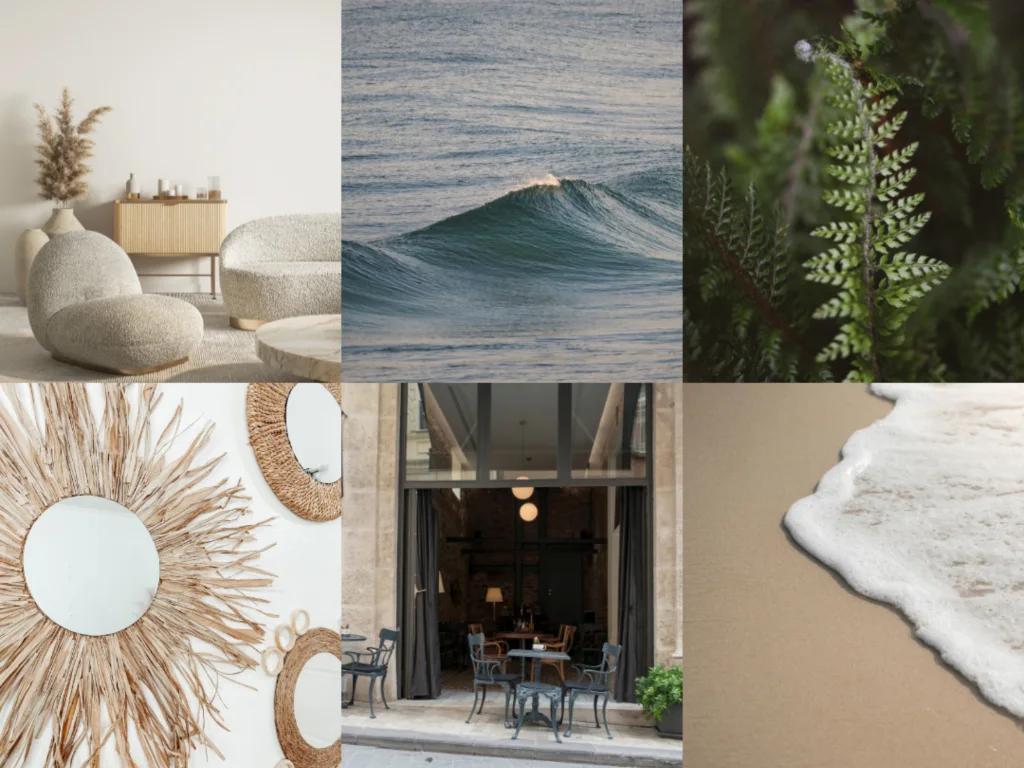
It’s not just about making something look beautiful. Intentional web design is about solving a problem with purpose. Every decision has a reason: the typography you choose, the colours and the emotions they evoke, the layout, all serve one goal: to make sure your website communicates exactly what you want it to. Even something like designing for mobile is not just a technical decision, it’s a design decision that affects how your audience experiences your brand.
Good design is never finished
Apple does the same thing with every new iPhone: they observe, learn, and refine. Not because the previous version was bad, but because the nature of intentional web design is that it constantly evolves alongside your business and your audience.
The same applies to your website. A good website is not a one-time project, but a living tool that is worth revisiting and improving over time. If you want to dive deeper into how designers approach this kind of iterative thinking, the Interaction Design Foundation has a great overview of the design thinking process.
So if you feel like your website no longer represents you the way you’d like it to, it might be time to start the process again, with intention.